The Mosaic Book
An Encyclopedia of Flora and Fauna in the Mosaics of the Land of Israel
From the Late Roman and Byzantine Periods
Dr. Anat Avital
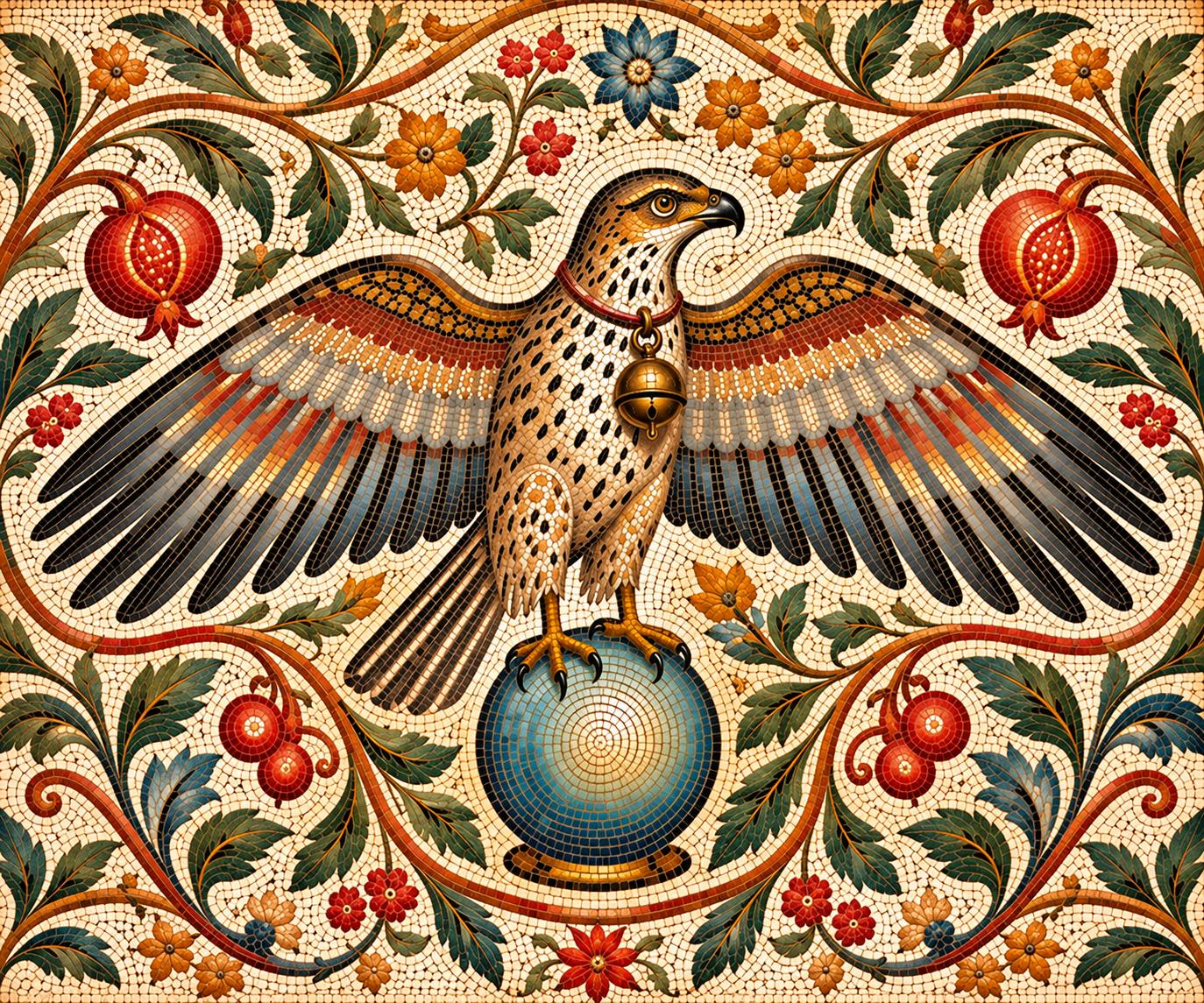
The Mosaic Book
An Encyclopedia of Flora and Fauna in the Mosaics of the Land of Israel
From the Late Roman and Byzantine Periods
Dr. Anat Avital
About the Book
The Mosaic Book is a scientific encyclopedia of the plant and animal species depicted in the mosaics of the Late Roman and Byzantine periods in the Land of Israel, with comparisons from the surrounding regions.
The book presents the results of research carried out with a scientific method of identification and classification, based on the modern systematics of plants and animals. It is structured like a modern scientific field guide and encyclopedia: every depiction in the mosaics is identified and classified according to the taxonomic system, and the motifs are also organized by geographical and ecological divisions, by their connection to human activity, such as agriculture, domestication, hunting, economy and trade, and by their cultural and historical context. The book brings together the author’s academic research, reveals the broad realia of the history of plant and animal cultivation and domestication, and sheds light on how the environment and nature of the region where the mosaics were created are reflected in them.
Methodology and Research Approach
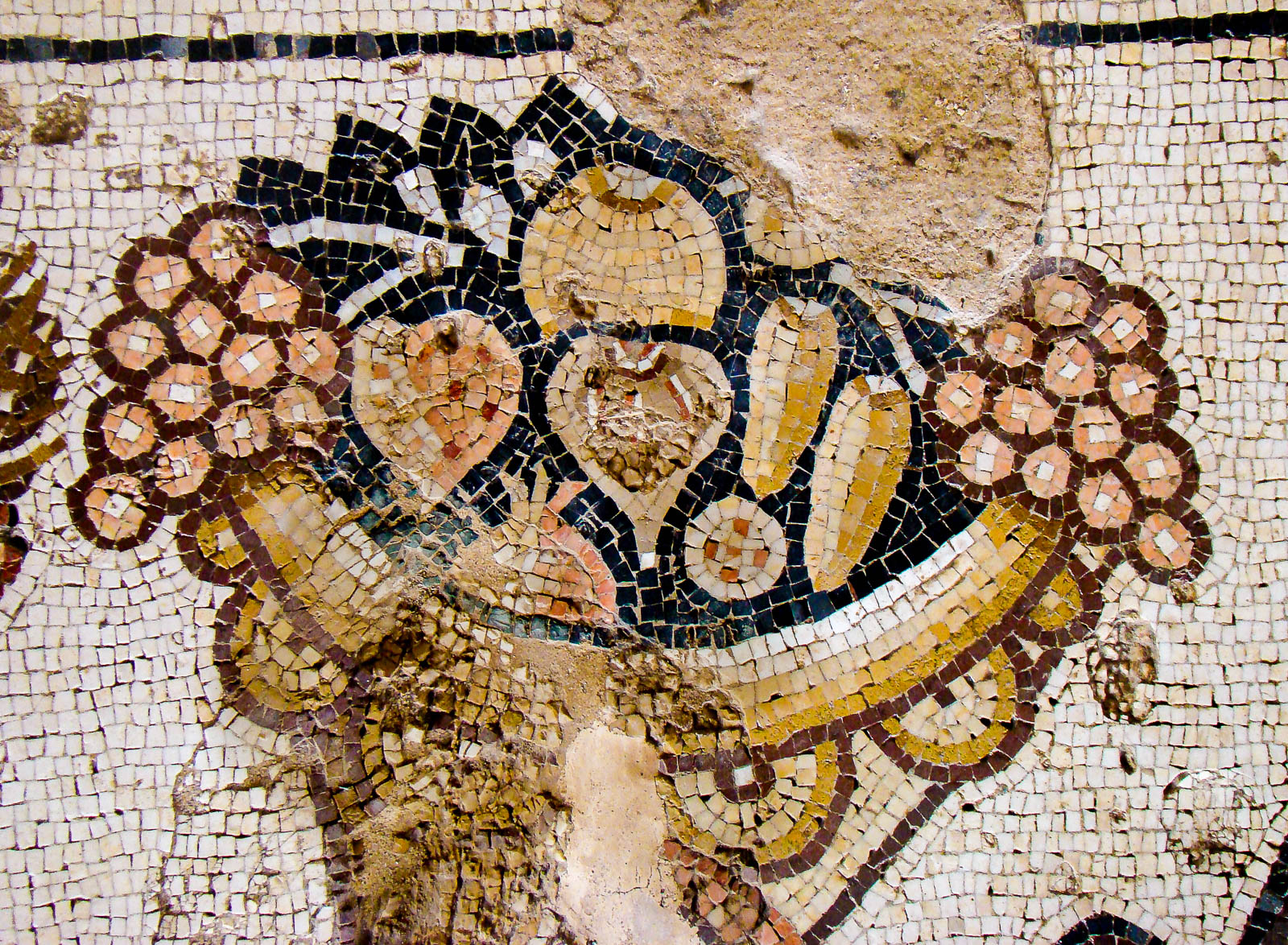
The Mosaic Book is an encyclopedic summary of multidisciplinary, systematic and in-depth academic research. It offers a systematic framework for the identification, classification and taxonomic sorting of the species of plants, birds, mammals, reptiles, fish, molluscs and invertebrates in the mosaic depictions of the Land of Israel and the surrounding regions.
The research began with the identification of plants in Jewish art of the Late Hellenistic and Early Roman periods. It continued with a comprehensive identification of the plant species and tools in the mosaics of the Late Roman and Byzantine periods, and from there it expanded to birds, mammals, reptiles, fish, molluscs and invertebrates. The methodology grew out of the research itself: every identification, every comparison and every new question broadened the scope of inquiry, until a biological-agricultural working method gradually took shape, combining botanical, zoological and agrotechnological knowledge with archaeology, art history and historical sources.
Comparing hundreds of mosaics and cross-checking the findings with sources from many fields led to the conclusion that the figurative layer preserves high-quality and reliable visual information: the mosaic makers depicted the local reality they knew with great accuracy. The taxonomic identification of the animals and plants serves as a research tool for reconstructing the environment, economy, agriculture, culture and local identity reflected in the mosaics, and makes it possible to present the mosaics as a historical source for reconstructing the fauna, flora and natural resources of the Land of Israel in the Late Roman and Byzantine periods.
Fields of Research
The Botanical Field
In the botanical field, the research identifies the plant species and analyses their placement and appearance in the mosaic depictions, examining the history of plant cultivation in antiquity and the agrotechnological aspects of growing, transporting, processing and serving food. The discussion integrates economic and cultural contexts and places each depiction within the system of agricultural production and trade.
The Zoological Field
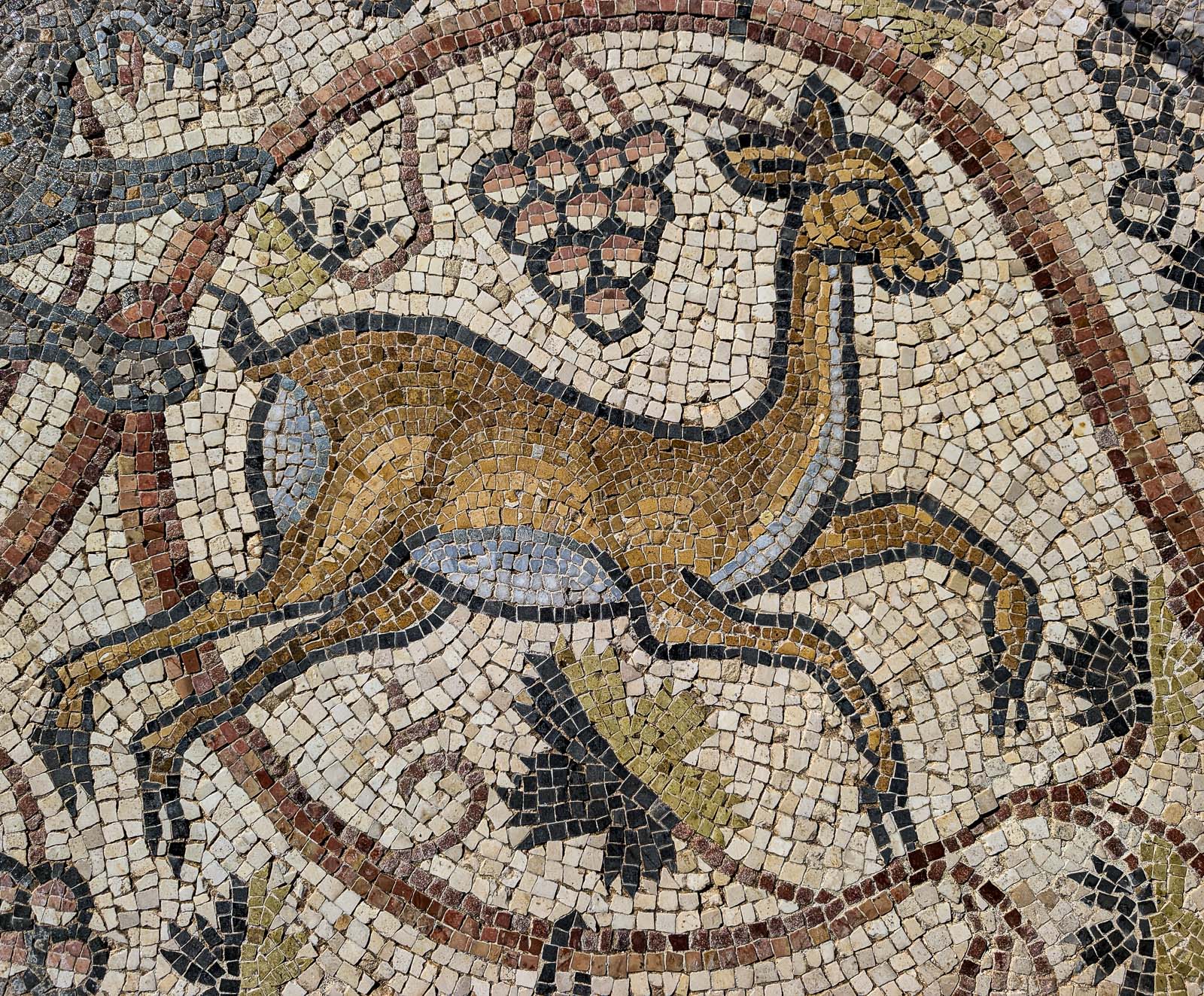
In the zoological field, a systematic study has been carried out of birds, mammals, reptiles, fish, molluscs and invertebrates. It includes a comprehensive survey, taxonomic classification and analysis in various contexts: natural habitats, keeping in captivity, the use of animals for food, work and hunting, the display of domestication capabilities, and inter-regional trade connections.
Cultural and Historical Context
Alongside the botanical and zoological mapping, the book addresses the cultural and historical context of the depictions: long-term processes of domestication and cultivation of plants and animals for human use, the keeping of animals in captivity, the import of foreign species and inter-regional trade connections, as well as artistic influences, fashions and techniques that passed between regions.
The mosaics reflect agricultural knowledge, the farm economy and daily life, from the field and the vineyard to the banquet table and the public space. The abundance, fertility and strong economy depicted in them reflect the local realia: the depictions document the reality known to the artisans and to those who commissioned the mosaics, including the agricultural crops, the animals they raised, hunted and kept in captivity, and the natural environment in which they lived.